Believe it or not, your mouth can offer early clues about what’s happening in the rest of your body. Small changes—like lesions, discoloration, or swelling in your gums or tongue—can sometimes signal underlying health issues.
So, if you’ve noticed ongoing sores, red or white patches, unusual bumps, or other persistent changes, it’s worth paying attention. These could be signs of anything from infections and vitamin deficiencies to more serious health conditions.
⚪ White or 🔴 Red Patches
White patches inside the mouth could be a sign of leukoplakia, often caused by ongoing irritation, commonly from smoking, alcohol, or friction from dentures. While not always dangerous, leukoplakia can sometimes be a warning sign of early oral cancer, so it’s smart to get it checked by a dentist.
Red patches can appear due to inflammation or infection, but if they don’t go away after a short time, it’s best to consult a professional, as they too can point to more serious issues.
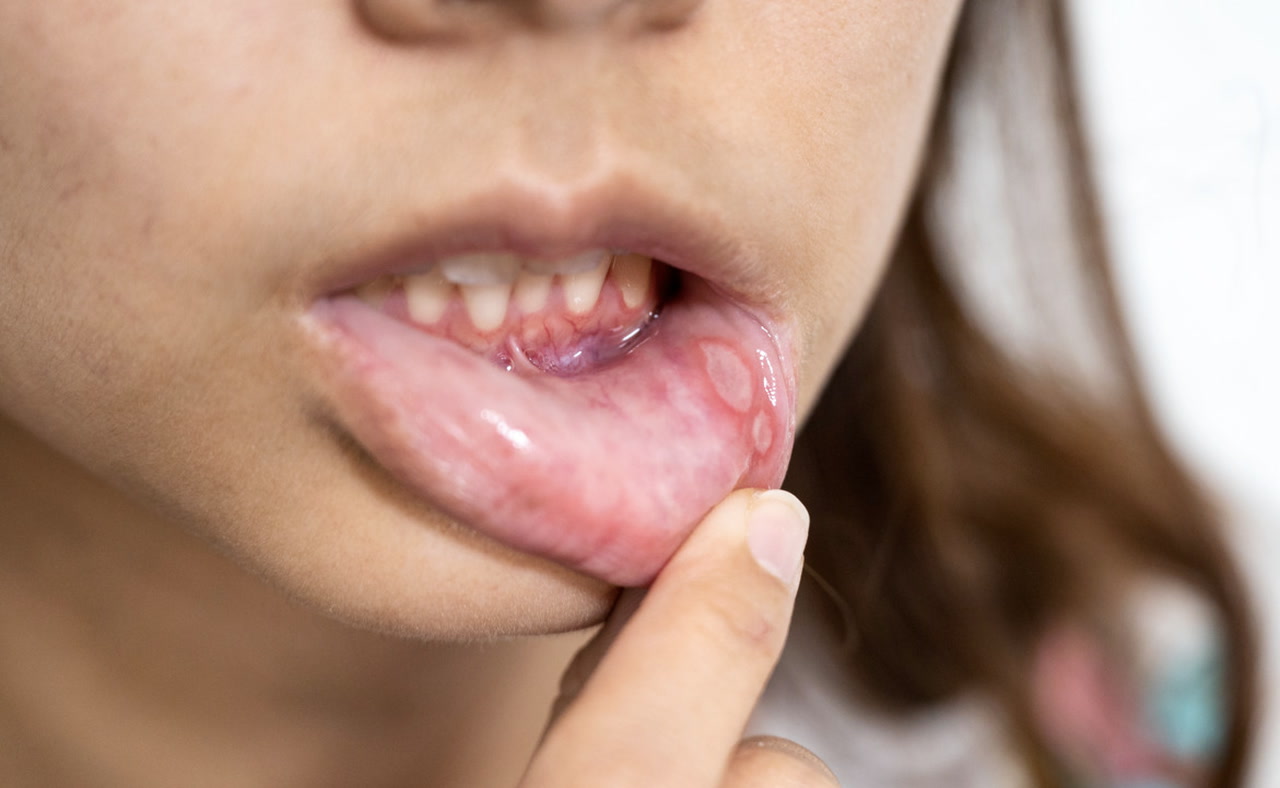
👄 Sores or Mouth Ulcers
Canker sores are small, round ulcers that can be triggered by stress, a weakened immune system, or nutritional gaps (like a lack of B vitamins). They usually heal on their own, but if a sore sticks around for more than two weeks, it’s time to see a doctor to rule out infections or other concerns.
😷 Chronic Bad Breath & Bleeding Gums
If you’re struggling with persistent bad breath or gums that bleed when you brush, it could be an early sign of gum disease. Gingivitis is the first stage, and without treatment, it can develop into periodontitis, which affects the bones and can lead to tooth loss.
👅 Changes in Tongue Appearance
A swollen or oddly textured tongue might point to allergies, digestive issues, or nutrient deficiencies. For instance, an overly red or “smooth” tongue may be caused by low levels of vitamin B12 or iron, both essential for overall health.
🩺 When to See a Doctor
If you notice anything unusual in your mouth that doesn’t go away in a week or two, don’t ignore it. Whether it’s a sore, patch, or change in color or texture, early detection is key. Visiting a dentist or doctor can help you get answers and peace of mind.
Be very careful if it comes out in your mouth, you are infected
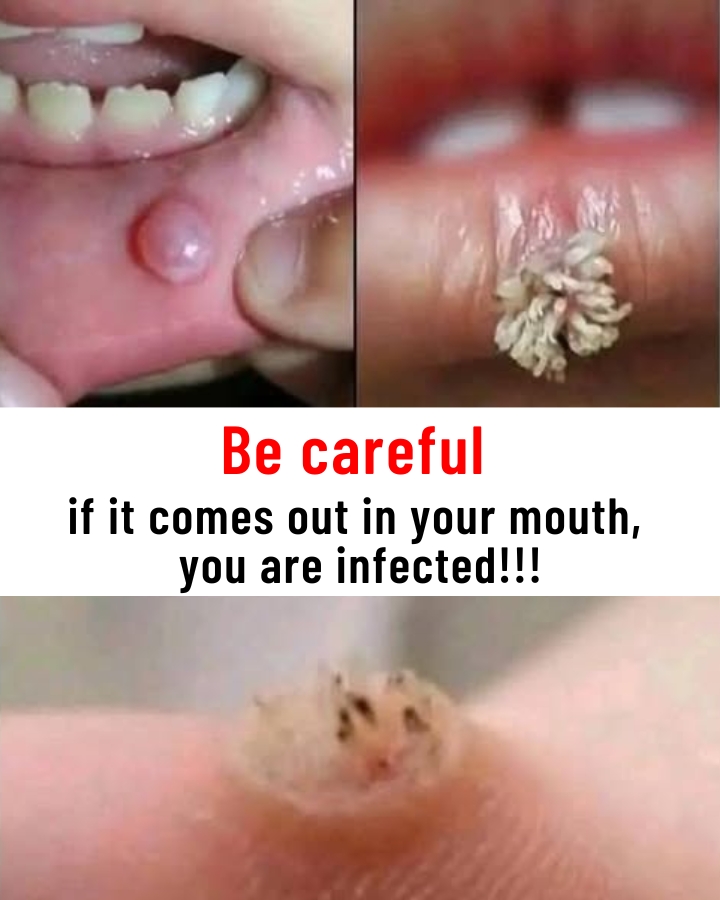
Cold sores, also known as fever blisters, are a common viral infection primarily caused by the herpes simplex virus type 1 (HSV-1). In some cases, herpes simplex virus type 2 (HSV-2)—usually associated with genital herpes—can also lead to cold sores, especially through oral-genital contact.
What Causes Cold Sores?
Cold sores are highly contagious and spread easily from person to person, most often through contact with infected saliva or skin. Common ways the virus is transmitted include:
Direct contact: Kissing or sharing drinks, food, or utensils with an infected person.
Indirect contact: Using items contaminated with the virus, like towels, lip balm, or cutlery.
Self-infection (Autoinoculation): Touching a cold sore and then touching other parts of the body, such as the eyes or genitals, can spread the virus.
Recognizing the Symptoms
Cold sores tend to follow a series of stages:
- Tingling or itching: A burning or itching sensation is often the first sign, occurring 1–2 days before the sore appears.
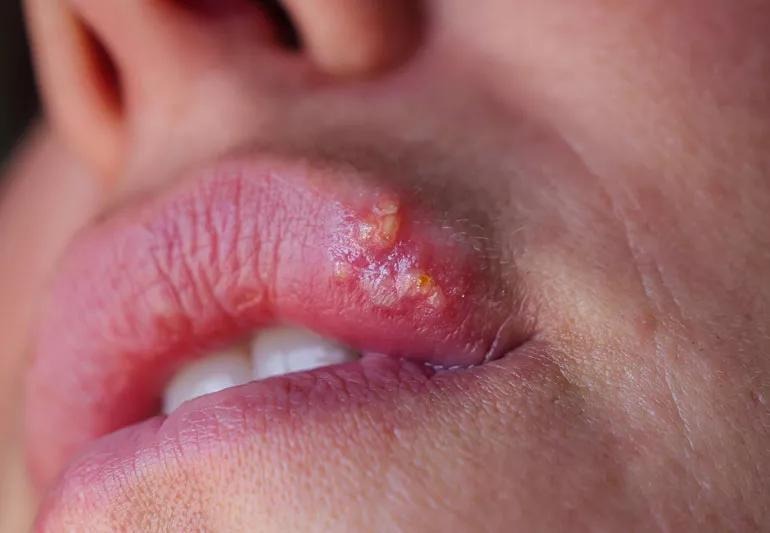
- Formation of blisters: Small, fluid-filled blisters develop, usually near the lips but sometimes on the nose or gums.
- Blister rupture: The blisters break open, forming painful, red sores. This is the most contagious stage.
- Scabbing: The sores dry out and develop a crust, which eventually falls off during healing.
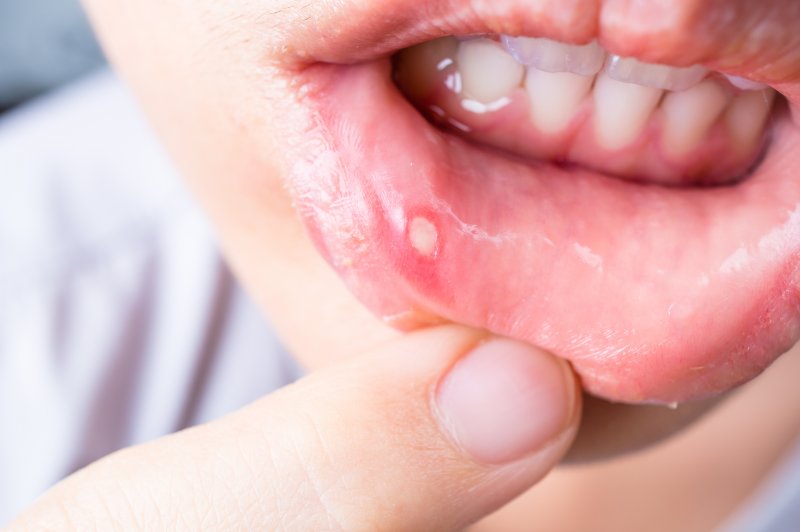
A typical outbreak lasts about 7 to 10 days. While the sores heal, the virus stays dormant in the body and can become active again during certain triggers.
What Triggers an Outbreak?
Several factors can reactivate the virus and cause new sores:
- Emotional or physical stress
- Exposure to sunlight or UV rays
- Hormonal shifts, such as those during menstruation or pregnancy
- Other illnesses, including colds and fevers
- Weakened immune system, due to medical treatments or health conditions
How Are Cold Sores Treated?
There’s no permanent cure for cold sores, but treatments can help manage symptoms and speed up healing:
1. Antiviral pills: Medications like acyclovir, valacyclovir, or famciclovir can reduce the length and severity of an outbreak, especially if taken early.
2. Topical antiviral creams: Help ease symptoms and may reduce viral spread.
3. Pain relievers: Over-the-counter medications like ibuprofen or acetaminophen, or numbing creams, can help relieve discomfort.
4. Moisturizing balms or creams: Soothing lip products can reduce dryness and ease pain around the sores.
Tips for Prevention
To avoid spreading cold sores or triggering outbreaks, try the following:
Avoid kissing or close contact during an active outbreak
Don’t share personal items like lip balms, cutlery, or towels
Use lip sunscreen if sun exposure is a known trigger
Support your immune system through a balanced diet, regular exercise, and stress management
When Should You See a Doctor?
It’s a good idea to consult a healthcare provider if:
Outbreaks happen frequently or are unusually painful
Over-the-counter remedies aren’t helping
The sores spread beyond the lips or grew significantly in size
Pain interferes with eating, drinking, or speaking
You have a weakened immune system, which can increase complications