

1. What Is Dementia?
Dementia is not a single disease but a general term for conditions that affect memory, thinking, and daily functioning. For people in their 50s, understanding dementia is especially important because early changes can begin during midlife. While aging increases risk, dementia is not a normal part of getting older.
According to the World Health Organization, dementia is one of the leading causes of disability and dependency worldwide, affecting millions of people every year.
2. Why People in Their 50s Should Pay Attention
Many individuals in their 50s are at the peak of their careers and family responsibilities. Early symptoms of cognitive decline are often overlooked or mistaken for stress, fatigue, or burnout. However, identifying these signs early can help slow progression and improve long-term quality of life.
3. Early Warning Signs
Memory Loss That Disrupts Daily Life
Forgetting recent conversations, repeating questions, or relying heavily on reminders can be early indicators. The Alzheimer’s Association highlights this as a common early symptom of Alzheimer’s disease.
Difficulty Planning and Problem-Solving
Tasks like managing finances, following familiar processes, or concentrating on detailed work may become challenging.
Confusion About Time or Place

Losing track of dates, missing appointments, or feeling disoriented in familiar locations can occur.
Visual and Spatial Problems
Difficulty judging distance, reading, or recognizing faces may affect activities such as driving.
Communication Challenges
People may struggle to find the right words, repeat themselves, or have trouble following conversations.
Misplacing Items Frequently
Placing objects in unusual locations and being unable to retrace steps is another warning sign.
Poor Judgment and Decision-Making
This may include risky financial decisions or neglecting personal care.
Withdrawal from Social Activities
Loss of interest in hobbies or avoiding social interactions can be an early behavioral change.
Mood and Personality Changes
Increased irritability, anxiety, or suspicion may appear. The Mayo Clinic notes that dementia can affect emotional regulation.
Difficulty Following Conversations
Keeping up with discussions, especially in groups, may become mentally exhausting.
4. Why Early Detection Matters
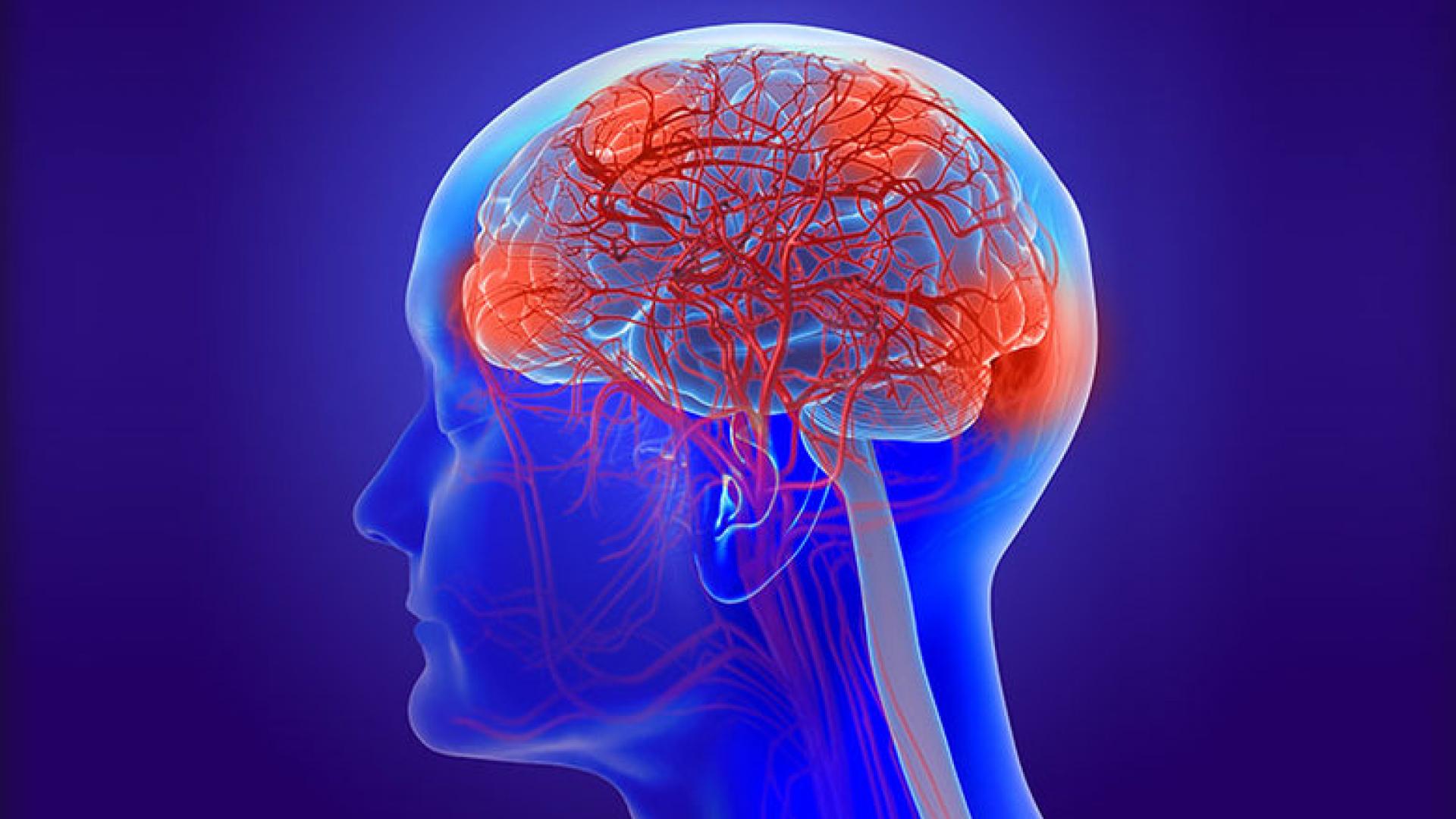
Detecting dementia early allows individuals to:
- Start treatments that may slow progression
- Plan financial and personal decisions ahead of time
- Adopt healthier lifestyle habits
- Access support systems and clinical research
Even though there is no complete cure yet, early action can significantly improve daily life.
5. How to Reduce Risk in Your 50s
Stay Physically Active
Regular exercise supports both brain and body health.
Eat a Brain-Healthy Diet
Include foods rich in vitamin B12 and vitamin D, such as fish, eggs, and lean meats.
Avoid Smoking and Limit Alcohol
Both can negatively impact brain function over time.
Keep Your Mind Active
Reading, puzzles, and learning new skills help strengthen cognitive abilities.
Manage Stress and Sleep Well
Chronic stress and lack of sleep can increase the risk of cognitive decline.
Protect Your Head
Preventing head injuries is important for long-term brain health.
6. Final Thoughts
Dementia can be life-changing, but it is not inevitable. For people in their 50s, awareness is the first step toward prevention. By recognizing early warning signs and making healthier lifestyle choices, it is possible to protect brain function and maintain independence for years to come.