

Discover how your digestive system changes after gallbladder removal—and how to support your health naturally
Introduction
Gallbladder removal, medically known as cholecystectomy, is a common surgical procedure often performed to treat gallstones or long-term inflammation. While the body is capable of adapting after surgery, the removal of the gallbladder brings noticeable changes to digestion and the overall balance of the gastrointestinal system.
In this article, we’ll explore what happens inside your body after gallbladder removal, how digestion is affected, and which natural habits can help you feel more comfortable and supported during recovery.
What is the role of the gallbladder?
The gallbladder is a small, pear-shaped organ located just beneath the liver. Its primary role is to store bile—a digestive fluid produced by the liver that helps break down dietary fats.
When you eat, especially foods containing fat, the gallbladder releases bile into the small intestine to assist with digestion.
What changes after gallbladder removal?

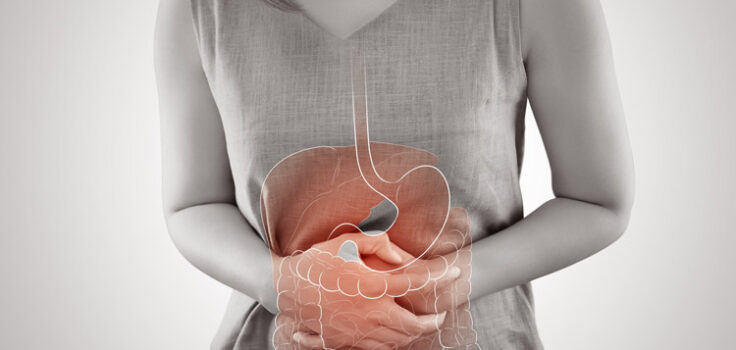
Once the gallbladder is removed, the body no longer has a storage space for bile. The liver continues producing bile, but instead of being released in controlled amounts, it flows steadily into the intestines.
This continuous bile flow can lead to several digestive effects:
1. 💩 Digestive adjustments
- Fat digestion may become less efficient
- Stools may become looser or more frequent
- Some people experience bloating or excess gas
2. Increased food sensitivity
- Fatty, fried, or highly processed foods may cause discomfort
- Spicy foods, dairy products, or sugary items may be harder to tolerate
3. Possible bile-related irritation
- Constant bile exposure can irritate the intestinal lining
- Some individuals experience heartburn, indigestion, or reflux-like symptoms
🌿 Natural ways to support digestion after surgery
✅ Follow a gentle, balanced diet
- Eat smaller meals throughout the day
- Choose cooked, steamed, or baked foods
- Limit saturated fats and refined oils
✅ Use herbal teas to aid digestion
- Chamomile, mint, and boldo can help calm the digestive tract
- Ginger is especially helpful for reducing nausea and gas
✅ Include liver-supporting plants
- Milk thistle and artichoke may help support healthy bile production and liver function
✅ Stay well hydrated
- Drinking enough water supports digestion
- Proper hydration helps dilute bile and promotes healthy bowel movement
📊 Can you live well without a gallbladder?
Yes. Many people go on to live completely normal lives after gallbladder removal. While the first few months may require dietary and lifestyle adjustments, the body gradually adapts over time.
📌 Conclusion
Losing your gallbladder does not mean losing your quality of life. With mindful eating, natural digestive support, and guidance from a healthcare professional, you can maintain healthy digestion and improve your overall well-being after surgery.