

Despite the ceasefire, tensions between the United States and Iran have not eased—in fact, they are intensifying as Tehran responds with warnings, accusing Donald Trump of making false statements.
Over the past two weeks, negotiations have continued following the April 8 ceasefire, which was mediated in Pakistan. However, the absence of missile strikes does not mean the situation has stabilized, especially as the US maintains pressure on Iran, particularly regarding control of the Strait of Hormuz.
Since the conflict, Iran has restricted operations in the Strait, disrupting key oil shipments and affecting tanker routes, including those supplying the US. This has contributed to rising fuel prices, yet Trump has publicly claimed that Iran is in a losing position.
This is just one of several statements he has made since the conflict began. Iranian officials have since pushed back, accusing him of spreading misinformation—specifically calling out what they described as “seven false claims” made within a single hour.

At the same time, Iran has indicated that the future of shipping through the Strait remains uncertain and will depend heavily on how the US proceeds next.
Parliament Speaker Mohammad Bagher Ghalibaf criticized Trump in a strongly worded statement, saying that all of the claims he made were untrue. He also argued that such statements would not lead to success in either conflict or negotiations. Additionally, he warned that if restrictions continue, the Strait of Hormuz may not remain open, and that passage through it would require Iranian approval and follow designated routes.
Although Iran had previously reopened the Strait for commercial use, officials emphasized that this status is not guaranteed and could change depending on the situation.
Ghalibaf further noted that decisions about whether the Strait remains open would be determined by real-world conditions, not by statements made online.
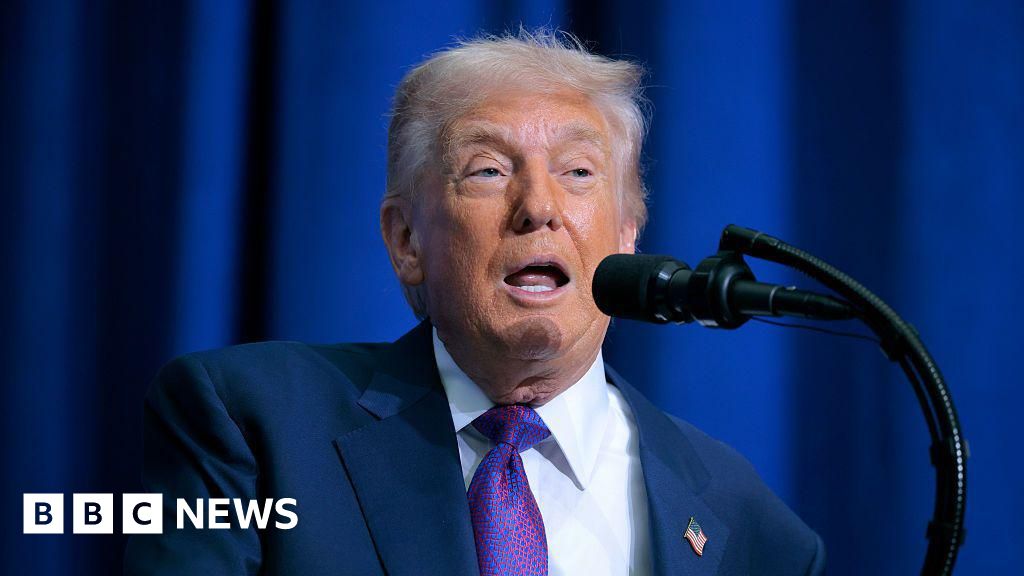
Meanwhile, Trump has remained active on his platform, Truth Social, sharing updates about the negotiations. He recently stated that many issues had already been resolved and claimed that Iran had made a long-term commitment.
In another message, he argued that Iran had little leverage beyond temporarily disrupting global trade through international waterways, suggesting that their main option was to negotiate.
However, given that the Strait of Hormuz is responsible for transporting roughly one-fifth of the world’s oil, Iran still holds significant influence in the situation.